
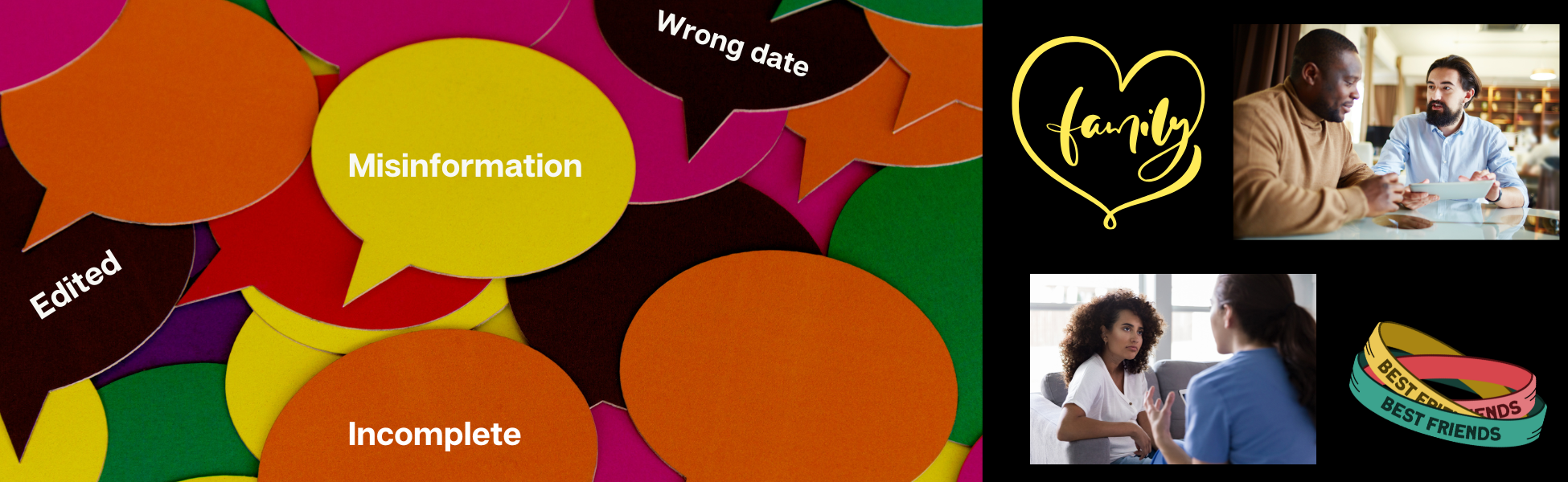
Most of us have been there. You are talking with a friend or family member, and they mention something that either doesn’t sound right or you know isn’t right. It could be a statistic or a story about an elected official or someone famous. Or maybe it is about an event.
Whatever the kind of misinformation, the question is “What do you do?” You don’t want them to continue to believe the information or to share it with others. But you also don’t want to ruffle their feathers.
The following are tips we’ve gathered from a few different resources (listed at the end of this post).
Remember: being taken in by misinformation can happen to anyone and the person you are talking with is someone you care about.
Be respectful. Don’t talk down to them. Don’t use words or a tone of voice that makes them feel like you are “correcting” them. This may be the first of many conversations and you want them to trust that you are a safe person to talk with about this and other issues.
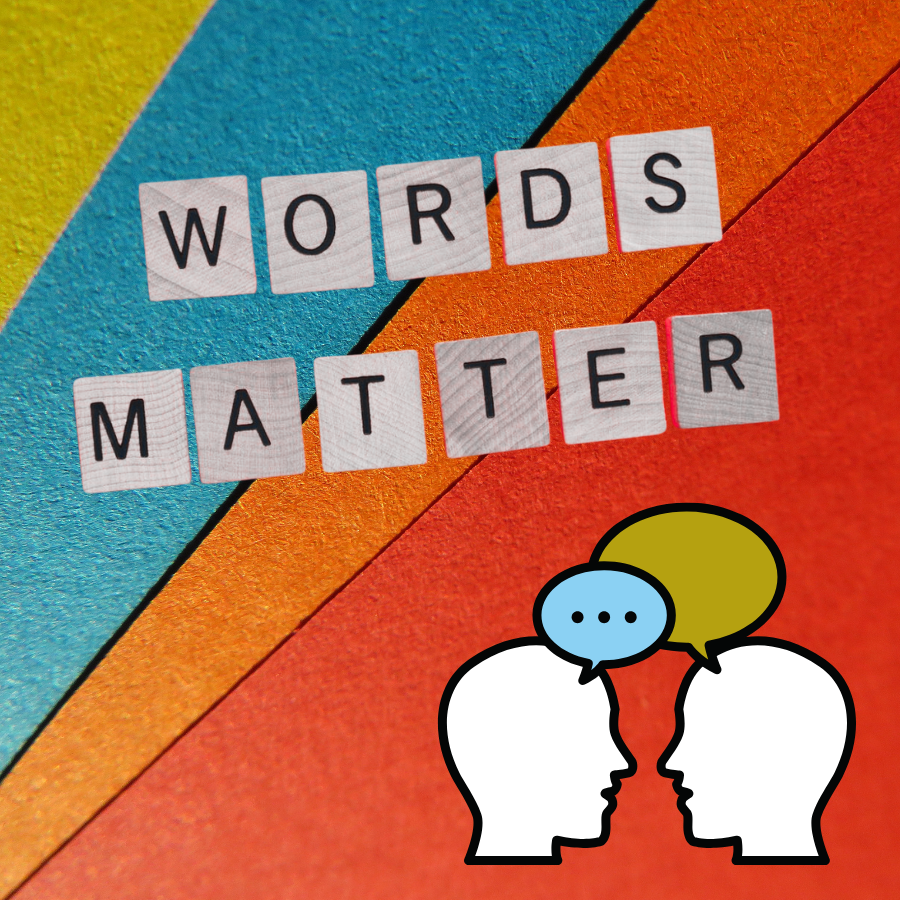
Instead of calling it “misinformation”, “disinformation”, or “fake news”, use “rumor”, “misleading”, or “incomplete.”
Why? Some words have become politicized and hearing them may cause a person to shut down before you can even start the conversation. Research has also shown that “what people consider mis- and disinformation can be really different.”

Begin by asking them why they why they believe this statistic or story or, more generally, why they believe what they do. Then actively listen. Active listening involves really tuning in to what the other person is saying, without starting to think about what you are going to say when they stop talking.
Is their connection to the piece of information based in fear or tied to family or cultural beliefs? Whatever the connection, let them know that you hear what they are saying.

What is the source of the misinformation they’ve shared with you? Where did they hear it or read it?
Instead of dismissing the source as “unreliable” or “untrustworthy” ask about the source’s level of expertise or qualifications. Does the source have a conflict of interest or something to gain by sharing the information or story?
Then ask if you can show them how you check out the information and stories you come across. This gives you the opportunity to talk about sources you trust and why you trust them, as well as teaching them fact-checking skills.

Remember you are not trying to embarrass anyone. It can help to admit that you also have had times when it was difficult to know what was true and false. Tell them about a time you were taken in my misleading information and how you found out it was misleading and what you did once you knew.
You are also not trying to change anyone’s core beliefs. The goal of the conversation is to address a piece of information that is incorrect in a way that builds trust and keeps the door open for future conversation.
Sources for this post:
How to Talk to Friends and Family Who Share Misinformation – PEN America (this focuses more on social media comments than face to face conversation)
Tips for talking with family and friends about misinformation : Oregon Health News Blog
How to talk to your friends and family about misinformation : NPR
Leave a Reply